
What Travel Vaccinations for India Cost
August 4, 2026
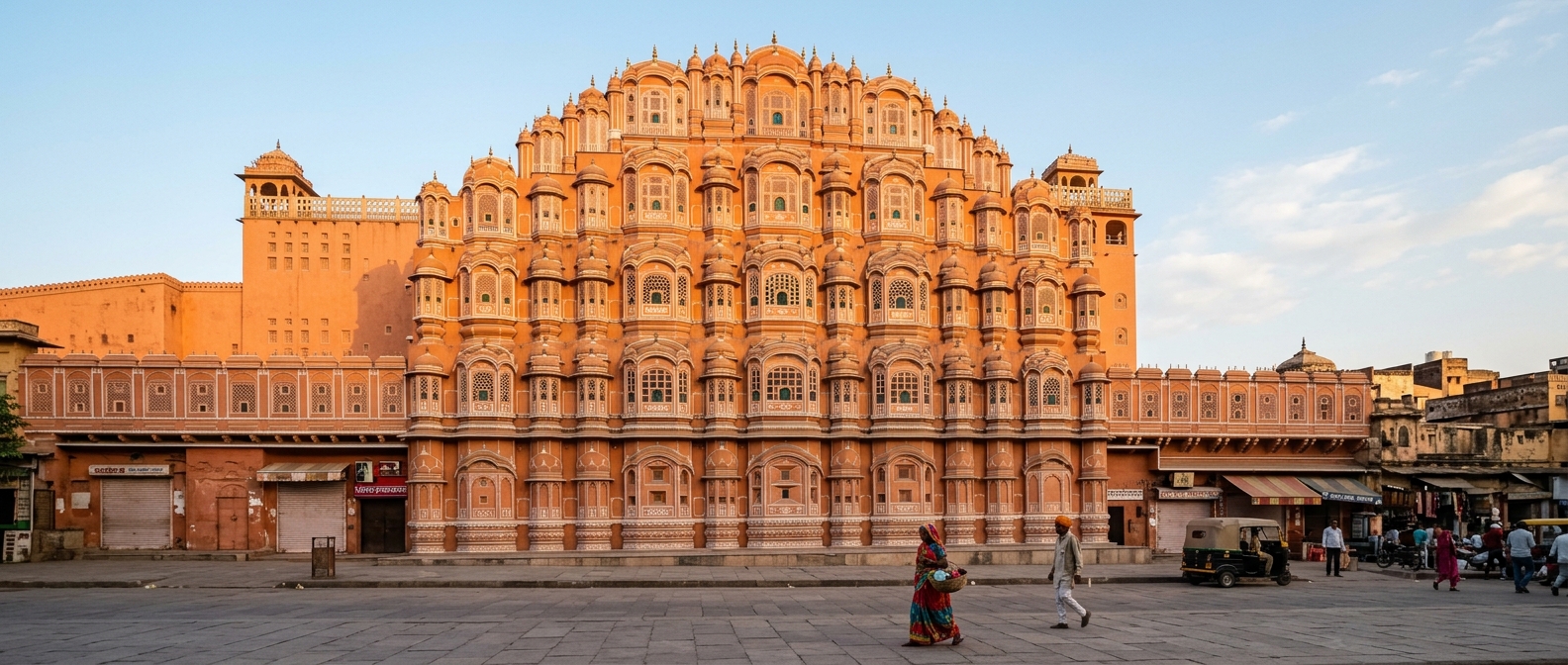
There’s no single price for vaccinating someone for India, because there’s no single India trip. A week in Delhi and a month with family across three states are different clinical problems, and they cost different amounts. What we can do is publish every price and show what a few real itineraries add up to, so you know roughly where you’ll land before you book. Our complete India vaccinations guide explains why each one is recommended.
The short version
- A short city trip typically comes to £105 for the three baseline vaccinations.
- Adding the rabies course takes that to £285.
- A longer family visit with rural travel usually lands between £405 and £625.
- Malaria tablets are charged per tablet, so trip length drives the cost.
- Every price below is the price you pay. Nothing is quoted on request.
The full price list for India
These are the vaccinations that come up for India, with the price per dose and for a full course where more than one dose is involved.
Hepatitis A is £45 per dose. A single dose covers your trip, and a second dose taken later extends protection for years, charged at £45 when you have it.
Typhoid is £30 for the single injectable dose, giving around three years of protection.
Tetanus, diphtheria and polio is £30 for the combined booster, needed if your last one was more than ten years ago.
Rabies is £90 per dose, with the pre-exposure course of two doses at £180.
Hepatitis B is £40 per dose, with the three-dose course at £120.
Japanese encephalitis is £110 per dose, with the two-dose course at £220.
Cholera is £45 per dose, with the two-dose course at £90.
Meningitis ACWY is £45 for a single dose.
Dengue (Qdenga) is £120 per dose, with the two-dose course at £240.
Malaria tablets are priced per tablet rather than per course, because the number you need depends on how long you’re away. Atovaquone with proguanil is £2.50 per tablet, with a paediatric version at £1.20. Doxycycline is £0.45 per capsule. Mefloquine is £3 per tablet and taken weekly rather than daily.
Every price here is published rather than quoted after a consultation. You can work out your own figure before you come in, and we’ll confirm it against your itinerary.
What typical trips come to
These are worked examples using the prices above. They’re illustrations rather than packages, because what you need depends on your route, your history and what you’ve had before.
A week in Delhi, or the Golden Triangle
Hepatitis A at £45, typhoid at £30 and the tetanus, diphtheria and polio booster at £30 comes to £105. Malaria tablets usually aren’t needed on that route, and bite avoidance is the advice instead.
Many people on this itinerary add the rabies course, given street dogs in the cities and monkeys at the sites around Jaipur and Agra. That takes the total to £285.
A fortnight in Goa or Kerala
The same baseline of £105 applies. Rabies is worth considering for Goa, where stray dogs are common on and around the beaches, taking it to £285.
Kerala can bring Japanese encephalitis into the conversation if you’re spending time in rural areas during or after the monsoon, which would add £220.
Three or four weeks visiting family
This is the most involved itinerary and usually the longest list. Hepatitis A, typhoid and the booster at £105, the rabies course at £180, and the hepatitis B course at £120 comes to £405.
If the trip includes rural eastern India, Japanese encephalitis at £220 takes it to £625. Malaria tablets are on top where the route calls for them.
Our guide to vaccinations for visiting family in India explains why this group needs the longer list, and the detailed India vaccination recommendations cover each one in turn.
What malaria tablets add
Because they’re priced per tablet, the cost follows the length of the trip. Atovaquone with proguanil is taken daily, starting a day or two before you enter the risk area and continuing for a week after you leave it. For a three-week trip that works out at around thirty tablets, so roughly £75.
Doxycycline is cheaper per capsule at £0.45, though it continues for four weeks after you leave the risk area rather than one, so the total number is higher. For longer trips it often still works out cheaper. Which suits you is a clinical decision rather than a purely financial one, and our page on which parts of India need malaria tablets covers where they’re recommended at all.
Where people are surprised
Three things come up often enough to be worth saying plainly.
Multi-dose courses cost more than people expect, because the headline figure they’ve seen is usually the per-dose price. Rabies and hepatitis B are the two where this bites.
Family trips multiply. Four people needing the baseline three at £105 each is £420 before anyone adds rabies, which is why we’d rather see the whole family in one appointment and work out what each person actually needs rather than vaccinating everyone identically.
And some of what you’re paying for lasts a long time. The tetanus, diphtheria and polio booster covers ten years. Typhoid covers around three. A completed hepatitis A course protects for decades. Spread across the trips you’ll take, the annual cost is a lot lower than the one-off figure suggests.
Price is the wrong place to start. Work out what the trip needs first, and find out exactly what you need for India, then use the figures above to budget for it.
Booking, and what to bring
Bring your full itinerary including short stops, your travel dates, and any records of what you’ve had before. The more specific you can be, the more precisely we can tell you what’s needed and what isn’t.
Check availability and book, or call us on 0208 567 0982 if you’d like to talk the costs through first.
Questions we’re asked most
How much are travel vaccinations for India in total?
For a short city trip, £105 for the three baseline vaccinations, or £285 with the rabies course. A longer family visit with rural travel usually falls between £405 and £625, plus malaria tablets where they’re needed.
Why does hepatitis A show one dose when the course is two?
A single dose at £45 covers your trip. The second dose, which extends protection for years, is usually given six to twelve months later and charged at £45 then. You don’t pay for both before you fly.
Is the rabies course really two doses?
Yes, two doses at £90 each, £180 in total for the pre-exposure course.
How much are malaria tablets for a two-week trip?
With atovaquone and proguanil at £2.50 a tablet, a fortnight in a risk area works out at roughly twenty-two tablets once the post-travel week is included, so about £55.
Do children cost the same?
Vaccine prices are the same. The paediatric version of atovaquone with proguanil is cheaper at £1.20 per tablet. Children may need fewer vaccinations depending on age and what they’ve already had.
Can I have some now and the rest later?
Yes, and for multi-dose courses that’s normally how it works. We’ll set out the schedule so you know what falls when.
Do I need everything on the list?
Almost certainly not. The baseline three cover most trips, and the rest depends on where you’re going and for how long. We’d rather talk you out of something you don’t need than sell you the full list.
Work out what your trip needs
Bring your itinerary and any records you have, and we’ll tell you exactly what’s needed and what it comes to, at 30 Northfield Avenue, West Ealing.
Prices correct as of August 2026. This article is general information, not personal medical advice. What you need depends on your itinerary, medical history and activities, so please speak to our team for advice based on current NaTHNaC guidance.


