
Dengue in India and the Qdenga Vaccine: Who It Suits
August 4, 2026
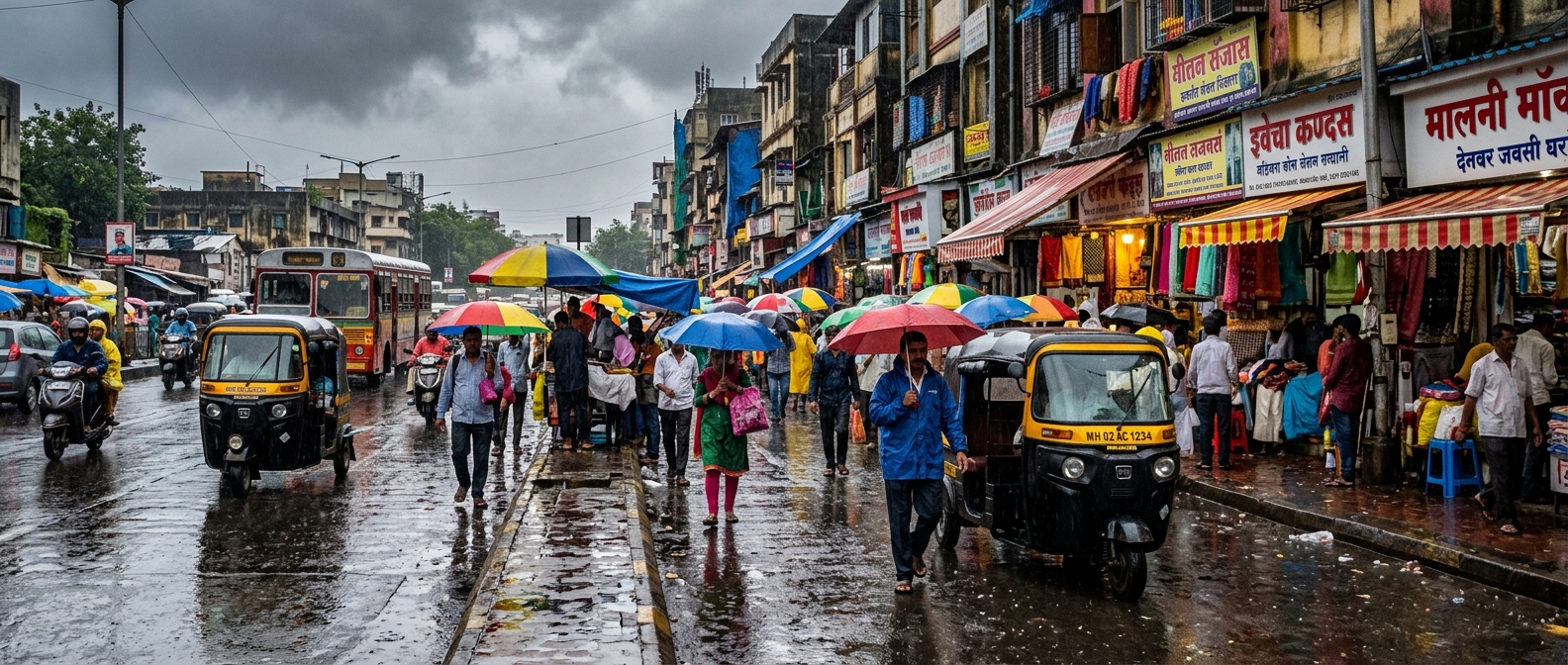
For years the only thing anyone could offer travellers about dengue was advice on repellent. That changed when Qdenga was licensed in the UK, and it’s now something we can discuss properly with people heading to India. Dengue is endemic across most of the country, including the big cities, so it’s worth understanding before you go. Our comprehensive India vaccine information covers the rest of the picture.
The short version
- Dengue is endemic across most of India, cities included.
- The mosquitoes bite during the day, so repellent isn’t only an evening job.
- Qdenga is licensed in the UK and we hold it: £120 per dose, £240 for the two-dose course.
- It doesn’t suit everyone, and previous dengue infection is part of the assessment.
- Risk peaks during and after the monsoon.
What dengue actually involves
Dengue is a viral infection spread by Aedes mosquitoes. Most cases bring several days of high fever, severe headache, pain behind the eyes, joint and muscle aches and a rash. The joint pain is what gives it its old nickname, and it’s the reason people describe a week of dengue as one of the worst weeks of their lives.
Most people recover without complications. A minority develop severe dengue, which is a medical emergency, and the risk of that is higher on a second infection with a different strain than on a first. That detail matters, because it shapes who the vaccine is for.
Where and when the risk sits in India
Dengue is endemic in most of India. Unlike malaria, this is not a story about remote rural districts. Urban and suburban areas are where Aedes mosquitoes thrive, because they breed in small collections of clean standing water: containers, tyres, plant pots, water storage, building sites. Delhi, Mumbai, Chennai, Bengaluru and Kolkata all see substantial outbreaks.
Risk rises during and after the monsoon, broadly June through October depending on the region, and outbreaks often peak in the weeks after the rains when standing water is everywhere.
The mosquitoes that carry dengue bite in daylight, with peaks in the morning and late afternoon. Repellent applied only at dusk misses the window that matters most.
Qdenga: what it is and who it’s for
Qdenga is a live attenuated vaccine covering all four dengue strains. It’s given as two doses three months apart, and we stock it at £120 per dose, £240 for the full course.
It’s approved in the UK for people aged four and over, and it can be given whether or not you’ve had dengue before. The strongest case for it is usually one of the following: you’re travelling to India during or shortly after the monsoon, you’re staying for an extended period, you go back regularly, or you’ve had dengue before and want protection against a second infection with a different strain.
It isn’t suitable for everyone. It’s a live vaccine, so it’s not given in pregnancy, while breastfeeding, or to people who are significantly immunosuppressed. That’s why it’s assessed individually rather than offered as a matter of course.
The timing problem, and how to work around it
The three-month gap between doses is the practical catch. If you’re flying in six weeks, you won’t complete the course before you go.
That doesn’t automatically rule it out. For someone who travels to India every year, or who’s spending several months there, starting the course now and finishing it later still makes sense. For a one-off two-week trip booked for next month, it usually doesn’t, and the conversation turns to bite avoidance instead.
Worth planning ahead if India is a regular trip for you. Our guide on how long before travelling you should get vaccinated covers lead times more broadly, and the full India travel health advice sets out what else needs scheduling.
Book a consultation to talk through whether it fits your travel pattern.
Bite avoidance still does most of the work
Whether or not you have the vaccine, avoiding bites is the foundation, and for dengue it looks different from malaria advice.
Use repellent containing DEET through the day, not just in the evening, and reapply it, particularly after swimming or in heat. Cover up where you can, especially in the morning and late afternoon. Air conditioning and screened windows help. If you’re staying somewhere with open windows, a net is worth using even for a daytime nap.
Look at the immediate surroundings too. Standing water in pots, buckets, coolers or blocked drains within a few metres of where you’re sleeping is where the mosquitoes come from.
If you develop a fever in India or within two weeks of coming home, get medical attention and say where you’ve been. Dengue, malaria and other causes look similar early on and need telling apart.
If you’re staying with family
Family homes tend to have open windows, outdoor evening routines and water storage nearby, all of which raise exposure compared with an air-conditioned hotel. Longer stays add to it. If your trips are usually several weeks with relatives, that’s exactly the pattern where the vaccine conversation is worth having, alongside everything in our guide to vaccinations for visiting family in India.
Dengue is one item on a longer list. Before booking, find out exactly what you need for India, since hepatitis A, typhoid and a tetanus booster apply to almost every trip while the dengue vaccine suits a narrower group.
Questions we’re asked most
Is there a dengue vaccine in the UK?
Yes. Qdenga is licensed in the UK and we hold it at £120 per dose, with the two-dose course at £240.
How many doses do I need and how far apart?
Two doses, three months apart. That gap is the main reason to plan ahead rather than deciding a fortnight before you fly.
Can I have it if I’ve had dengue before?
Usually yes, and previous infection is often a reason to consider it, because a second infection with a different strain carries a higher risk of severe illness. We’ll go through your history at the appointment.
Can children have it?
It’s approved in the UK from age four. Suitability is assessed individually.
Can I have it while pregnant?
No. It’s a live vaccine, so it isn’t given in pregnancy or while breastfeeding.
Do I still need repellent if I’ve been vaccinated?
Yes. No vaccine is complete protection, and the same mosquitoes carry chikungunya and Zika, which Qdenga does nothing about.
Is dengue only a rural problem?
No, and this is the common misconception. Dengue is largely an urban and suburban infection, and the major Indian cities see significant outbreaks.
I’m flying in three weeks. Is it worth starting?
For a one-off short trip, usually not, and we’d focus on bite avoidance. If you travel to India regularly or you’re going for months, starting now can still make sense.
Travelling to India in monsoon season?
We can talk through whether the dengue vaccine fits your trip, alongside everything else you need, at 30 Northfield Avenue, West Ealing.
This article is general information, not personal medical advice. Suitability for the dengue vaccine depends on your medical history and travel plans, so please speak to our team for advice based on current guidance.


