
How Effective Is Shingrix? The Trial Data Behind the Shingles Vaccine
August 12, 2026
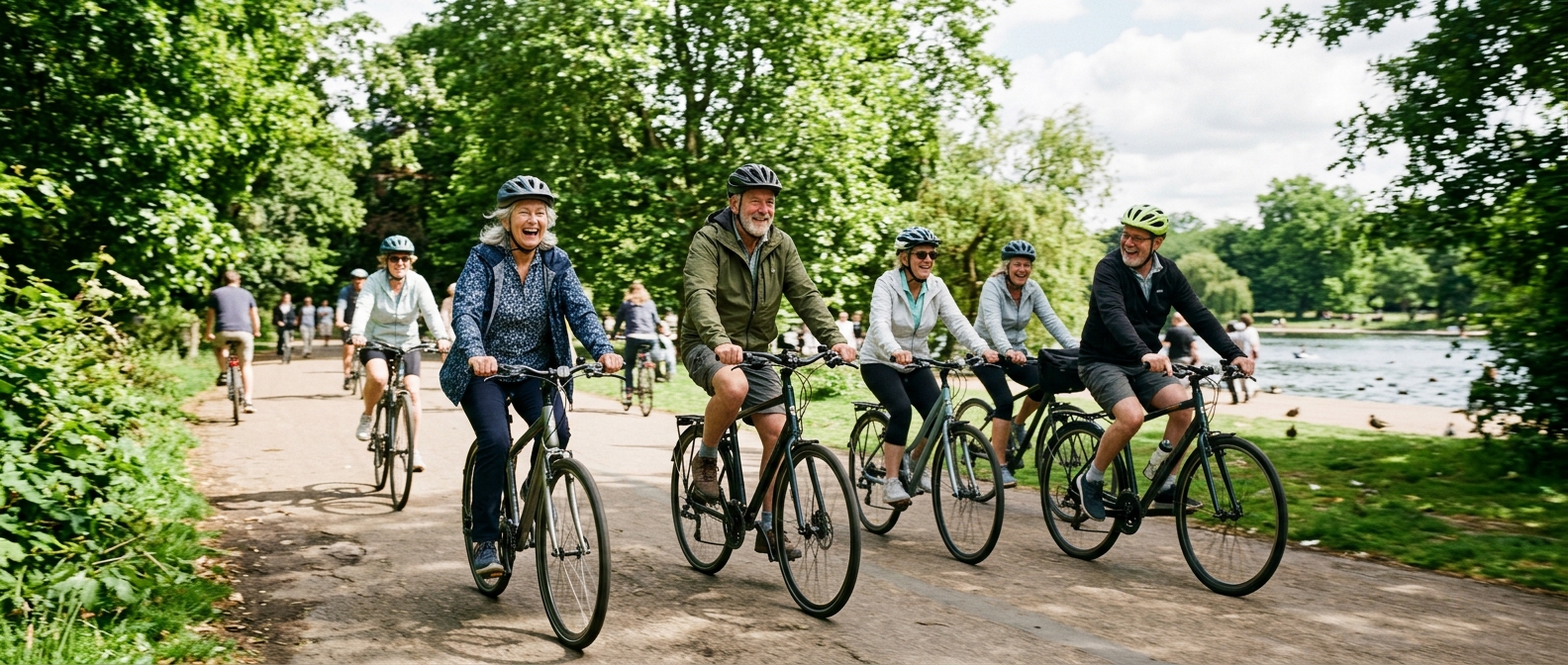
Shingrix reduced shingles cases by 97% in adults aged 50 and over, and by 91% in adults over 70. Those aren’t marketing numbers, they’re the headline results of two of the largest vaccine trials ever run in older adults, and they make Shingrix one of the most effective vaccines available to adults of any age. This guide goes through where the figures come from, how long the protection lasts and what they mean for you. For the course, the price and how to book, see our complete guide to the private shingles vaccine.
The short version
- 97% fewer shingles cases in adults 50 and over, 91% in adults over 70, in placebo-controlled trials.
- Protection against post-herpetic neuralgia, the complication worth fearing, was around 90% too.
- Follow-up data shows 89% protection maintained across the first ten years.
- No booster is currently recommended.
- The figures describe the full two-dose course, not a single dose.
Where the numbers come from
Two trials, run across 18 countries and published in the New England Journal of Medicine, tested Shingrix against placebo in more than 29,000 adults. The first, ZOE-50, enrolled adults aged 50 and over and found 97.2% fewer shingles cases among the vaccinated. The second, ZOE-70, focused on adults 70 and over, and the pooled analysis in that age group found 91% protection.
Numbers like these are rare in adult vaccination. What made Shingrix unusual wasn’t just the headline figure but where it held: in the age groups where immune responses, and vaccine performance, normally fall away.
The number that matters more: nerve pain
Shingles itself is miserable but time-limited. The complication that changes lives is post-herpetic neuralgia, nerve pain that persists after the rash heals and can last months or longer, and it becomes more common with every decade of age. In the trials, Shingrix reduced post-herpetic neuralgia by 91.2% in adults 50 and over, and by 88.8% in the over-70s.
This is the statistic we’d put on the wall if we could only keep one. Preventing the rash is worth a lot. Preventing the pain that outstays the rash by half a year is the real purchase.
Most vaccines protect the young well and the old less well. Shingrix held above 90% in the over-70s, which is precisely the group shingles hits hardest. That combination is what made the trial results remarkable.
How long the protection lasts
The original trials answered “does it work”. The follow-up study, ZOSTER-049, answers “for how long”, and it has now tracked participants for more than a decade. Across the first ten years after vaccination, protection averaged 89%. In years six to ten specifically, it was still running at 81.6%. The manufacturer’s summary is that Shingrix provides at least ten years of protection, with the follow-up still running.
No booster is currently recommended. That could change as the data extends, but as things stand the two-dose course is a complete job. At £220 per dose, £440 for the course at our clinic, ten-plus years of cover works out at less than £44 a year, an arithmetic we walk through in our guide to shingles vaccine costs.
Why you might have read “50% effective” somewhere
Older articles, and some pages that haven’t been updated, quote the shingles vaccine as reducing cases by around half. That figure described the previous generation of shingles vaccine, a live vaccine that Shingrix replaced in the UK programme in September 2023. If you looked into shingles vaccination years ago and came away unimpressed by the numbers, the product has changed and so have the numbers. The 97% and 91% figures above belong to the vaccine in use now, and the one we hold at the clinic.
What the figures mean for you, and what they don’t
Trial percentages describe populations, not promises. A 97% reduction means that in a large vaccinated group, shingles cases fell by 97% compared with an identical unvaccinated group. It doesn’t mean any individual is guaranteed to avoid shingles, and the people for whom the vaccine matters most, the oldest and those with weaker immune systems, are also those where no vaccine performs at its ceiling.
Two things follow from that. First, breakthrough shingles after vaccination, while uncommon, is thought to be milder and shorter than shingles in the unvaccinated. Second, the figures assume the full course: two doses, two months apart at our clinic. The private shingles vaccine service we run is built around completing that course, because a single dose buys you a weaker, less certain version of everything on this page.
Every effectiveness figure on this page is a two-dose figure. The single most effective thing you can do to get the protection the trials describe is to turn up for your second appointment.
The honest trade
Protection this strong comes with a cost beyond the price, and we’d rather you heard it from us. Shingrix is a reactive vaccine: a sore arm is very common, and around one person in six has a day where the reaction interferes with normal plans. It passes within two to three days. We’ve covered what to expect after your Shingrix dose in full, and our view is simple: a rough day is a fair exchange for a decade at 90%, but you should walk in knowing about both halves of that trade.
Check availability and book, or call us on 0208 567 0982.
Questions we’re asked most about effectiveness
Is one dose enough?
No. The trial figures are based on two doses. One dose gives partial protection, but if you’re vaccinating at all, the second dose is where the durability comes from.
How soon after the jabs am I protected?
The trials measured protection from one month after the second dose. Some protection builds earlier, but think of the course as complete a month after dose two.
Does it work if I’ve already had shingles?
Yes. Shingles can recur, and vaccination after a past episode is recommended once the episode has settled. The trials’ headline figures were in people without recent shingles, but the vaccine is used and effective after shingles too.
Does it work in people with weakened immune systems?
It’s the recommended vaccine for immunosuppressed adults precisely because it contains no live virus. Effectiveness varies with the underlying condition, which is why this group needs individual assessment rather than a website answer.
Will I need a booster in ten years?
Nobody can promise you the answer, but none is currently recommended, and protection in the follow-up study was still above 80% in years six to ten. The follow-up is ongoing.
Does the vaccine prevent chickenpox too?
No. It’s designed to stop the chickenpox virus already inside you from reactivating as shingles. Protecting someone who’s never had chickenpox is a different vaccine’s job.
Where can I read the trial data myself?
The ZOE-50 and ZOE-70 trials were published in the New England Journal of Medicine, and the ten-year follow-up, ZOSTER-049, has been published and summarised by GSK. Bring questions to your appointment, we enjoy them.
Ten years of protection, two appointments
The vaccine behind the numbers on this page is in stock at 30 Northfield Avenue, West Ealing.
Prices correct as of August 2026. This article is general information, not personal medical advice. Whether the shingles vaccine is right for you depends on your health and history, so please speak to our team before making a decision.


